
Sub-Total: $0.00
Products & Services

- Essential oils, also called volatile oils, are scented oils extracted from plants.
- Used in medicine, cosmetics, perfumes, food, and, more recently, aromatherapy.
- Essential oils are “essential” because they contain the “essence” of the plant, meaning the taste or odor.
How to Use Essential Oils
- Some essential oils can be applied to the skin, others are best taken orally.
- However, do not ingest or topically apply any essential oils unless you are absolutely certain that they can be used this way.
- Not all essential oils are safe to take internally and some can irritate the skin.
- Some essential oils must be diluted with an unscented “carrier oil” to be used safely on skin.
Lavender Oil
- One of the most well-known essential oil.
- It appears to slow the activity of the central nervous system, improve sleep quality, promote better concentration, and help encourage hair regrowth in those suffering from alopecia areata, a type of hair loss.
- Lavender may also help fight anxiety.
Eucalyptus Oil
- It’s antimicrobial, insecticidal (kills insects), herbicidal, acaricidal (kills ticks and mites), and nematicidal (kills nematodes).
- Effective against the bacterial strains Staphylococcus aureus, Haemophilus influenzae, Staphylococcus agalactiae, and Streptococcus pneumoniae.
- Inhaling eucalyptus steam can help alleviate cough and congestion.
- The aroma of the oil acts as an expectorant, helping to loosen phlegm in the nasal passages and lungs.
- In one study, researchers found that the combination of eucalyptus oil and peppermint oil boosts cognitive performance.The same study also found the scent of these two essential oils reduces headaches and promote mental and muscular relaxation.
Peppermint Oil
- It can help alleviate nausea, headache, upset stomach, gas, indigestion, and anxiety.
- It works on the digestive system by speeding up the rate of elimination, soothes discomfort associated with irritable bowel syndrome (IBS), and reduces symptoms in as many as 80% of people who take it.
- Peppermint oil may offer relief for HSV-1 (Herpes simplex) outbreaks by permeating the skin and acting as a virucide directly on the virus.
Tee Tree Oil
- Also known as melaleuca oil, tea tree oil comes from “tea” or “paperbark” trees.
- In Australia, it has a long history of use as an antiseptic, Aborigines native to Australia inhaled the aroma of crushed leaves to relieve cough and used poultices to help heal wounds.
- Antibacterial, antifungal, antiviral, and antiprotozoal by damaging cell membranes
- Like peppermint oil, tea tree oil seems to have an effect on HSV-1, it may reduce the viral load by up to 98.2%.
Jojoba Oil
- Derived from the seeds of the wild jojoba shrub, a small, woody desert plant native to Arizona, California and northwestern Mexico.
- Native Americans used jojoba oil to help wounds heal.
- Unlike other essential oils, jojoba oil is not a volatile oil but still offers plenty of benefits primarily to the skin.
- It helps closure of wounds at a cellular level.
- Improves skin appearance and reduces acne.
Rose Oil and Oregano Oil
- Rose oil is a floral-scented essential oil derived from the petals of several species of rose.
- It promotes a calm mood and fights harmful organisms.
- It contains tocopherol (a vitamin E compound), carotene, and high levels of phenolic compounds. Rose oil can make your skin more permeable, so it’s often added to skincare products to improve efficacy.
Jasmine Oil
Jasmine oil is derived from jasmine flowers. While many of the essential oils mentioned are sleep aids and relaxants, jasmine oil has a stimulating effect. When applied topically, jasmine oil increases alertness, breathing rate, and vigor. These effects may promote an uplifted mood and a better sense of well-being.
- Sweet-smelling Jasmine is extracted from the Jasminum grandiflorum, an evergreen with origins in China.
- Powerful healing properties; it aids with everything from depression to childbirth. It is known most for its relaxing properties.
Extraction and Application: Extracting Jasmine is a little different from other essential oils, which are primarily steam distilled. Jasmine is obtained via solvent extraction, which means it results in a concrete substance rather than oil. It then must go through an extensive process whereby the flowers are placed over fats to absorb the fragrance. This process takes a number of days and yields a small amount of oil. Hence the reason, Jasmine is one of the most expensive essential oils. Add some drops of Jasmine to your bath or to the vaporizer or blend it with your favorite massage oil.
Aromatherapy Uses: Jasmine has been known to ease depression and childbirth, in addition to enhancing libido. It’s great for respiratory problems, addiction issues, and reducing tension and stress.
Caution: Overall, Jasmine is a fairly safe essential oil as it’s nontoxic. It can cause an allergic reaction, however. Pregnant women should avoid Jasmine.
Lemon Oil
It comes as no surprise that lemon is a favorite essential oil. Lemon is widely appreciated for its clean smell but has numerous therapeutic qualities as well. It improves concentration, aids in digestion, and eases symptoms of acne and arthritis.
Extraction and Application: Lemon comes from the Citrus Limonum. The oil is extracted from the fruits peeling via cold expression. Lemon oil is a terrific fragrance for the house, given its lemony-fresh scent. Add a few drops of lemon oil to the vaporizer or diffuser for enhanced energy. Or apply it via a carrier lotion during a massage. Want to boost your immune system? Add some drops to your bathwater.
Aromatherapy Uses: Lemon oil is a multifaceted essential oil. It helps with everything from skin irritation to digestion to circulation problems. It is a natural immunity booster and can even help reduce cellulite! Lemon oil helps to alleviate headaches and fever and is a quick mood enhancer.
Caution: While lemon oil isn’t toxic, it can cause allergic reactions such as rash. It’s not wise to use lemon oil in the sun.
Wintergreen Oil
Wintergreen is native to North America, mainly in the Northeastern United States and Canada. This low-growing shrub thrives best in rich, organic soils in shady locations, such as on mountains and forests in cool, moist regions.
- Wintergreen is characterized by its long stem, oval and glossy green leaves, and white blooms, which turn into handsome and edible bright red berries that birds and other wildlife feasts on.
- The leaves are used to make wintergreen essential oil. Wintergreen oil has a sweet and fresh scent, similar to mint. It's very pungent but not unpleasant. It has a pale yellow or pinkish-yellow color.
- Wintergreen's medicinal uses have been widely known for many centuries, particularly by the Native Americans, who used the leaves to help treat respiratory tract infections.
- Today, dilutions of wintergreen extract are popularly used as a food flavoring, and it's also added to gums and toothpaste for its minty flavor. In some cases, its strong scent can also work as a deodorizer to mask foul odors. Wintergreen oil is still used medicinally today, but take note: it is NOT advisable to use the pure (concentrated) essential oil, as it can be very toxic. Instead, you should dilute a very small amount in a safe carrier oil such as coconut oil or olive oil.
- Diluted wintergreen oil can be applied topically or diffused via a vaporizer. It's most renowned as a pain reliever for muscular or skeletal problems. In fact, it is usually added to liniments and topical pain relievers.
- When used aroma therapeutically (diffused, vaporized or added to a steaming bowl of hot water), wintergreen oil helps relax and uplift your mood. It has powerful, mentally stimulating effects that increase your attentiveness and the vibration of your body. Its strong aroma can also open, influence, and elevate the awareness of your senses, particularly your sensory system.



Showing 1–9 of 16 results


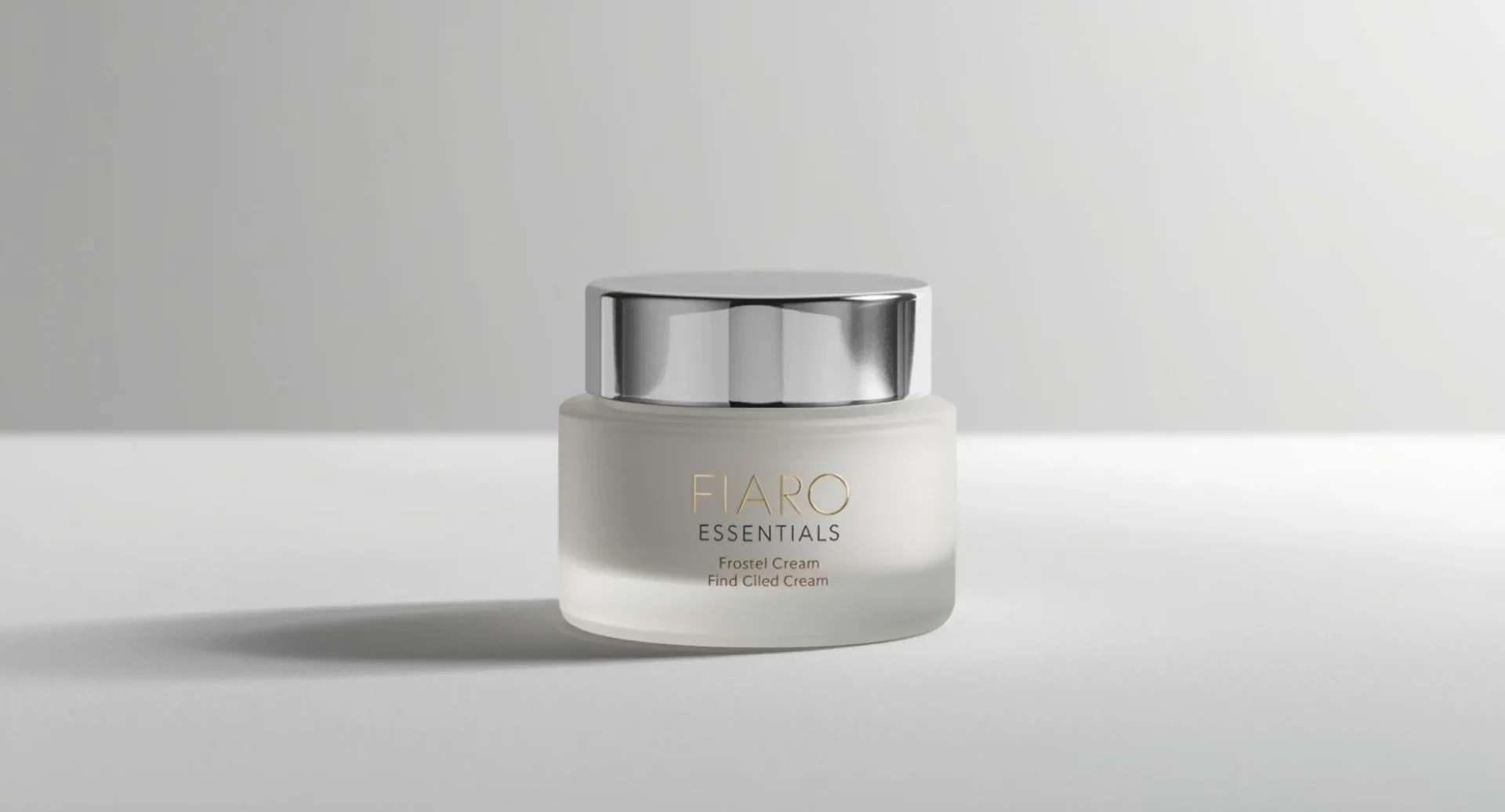


Services Include:

Product Life-cycle

Products and services are ready to be offered to clients and are continuing to be developed.
Creams and Salves
$15-70
1 ounce product
Creams and Salves
$15-30
3 ounce product
Oils
$15-25
Consultant Fee
$50
Basic
Consultant Fee
$100
Silver w/ diet recommendation
Consultant Fee
$150
Platinum w/ diet and product